Air Conditioning Peptide Screening Labs Third-party Peptide Analysis
Just How To Read A Peptide Pureness Examination: Hplc, Mass Spectrometry And Coa Interpretation For Uk Scientists 2026
The liquified peptide sample is infused into a stream of liquid solvent (the mobile stage) that flows with a tube loaded with tiny fragments (the fixed stage). Various particles "stick" to those fragments with different toughness, so they travel through the column at different rates. Subtle distinctions in raw material purity and structure can bring about inconsistencies in the activity of the final product.The high quality and dependability of a peptide purity measurement rely on method criteria and documentation high quality. The mobile phase, typically a blend of water, acetonitrile, and an acid modifier, is saved in tanks and provided through the system by a high-pressure pump. The pump maintains exact flow rates, commonly in the range of 0.5 to 2.0 mL/min depending on the method and column style. High pressure forces the mobile stage via tightly packed fragments inside the column, creating sharper separations and greater resolution than standard low-pressure chromatography.
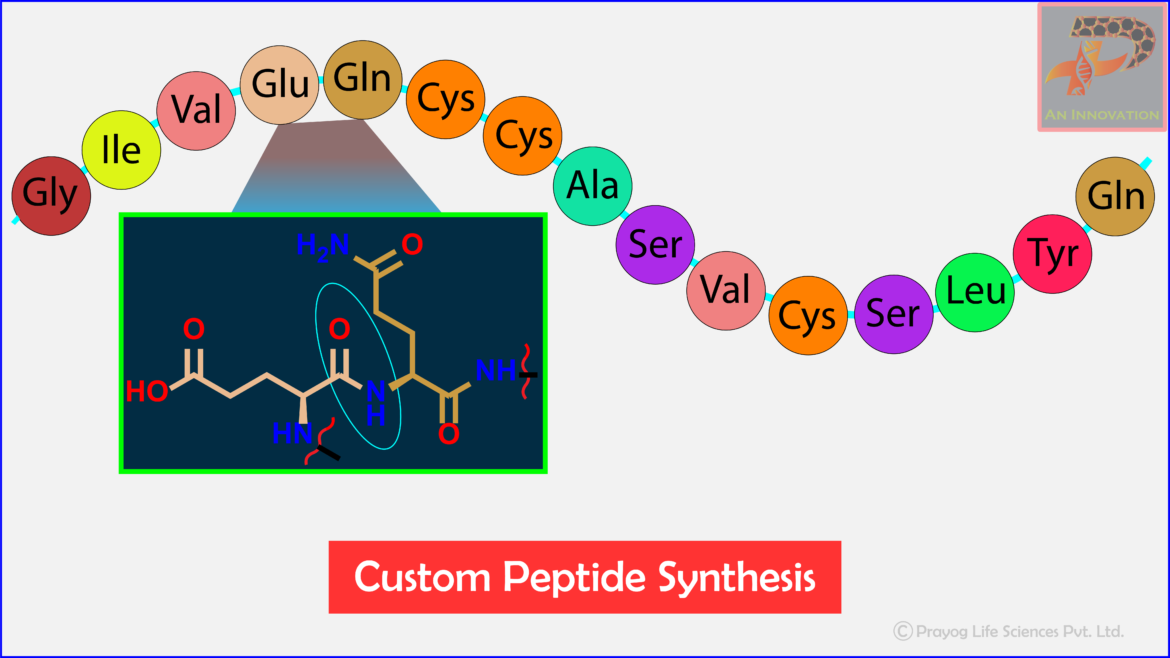
- Tandem mass spectrometry (MS/MS or MS TWO) pieces the peptide ions in the gas phase and evaluations the fragment masses.
- A functional assay determining downstream signaling-- or an architectural research using NMR or X-ray crystallography-- requires the highest possible purity available.
- " Trailing"-- where the peak tracks off gradually on one side-- can indicate column issues, example overloading, or secondary communications in between the peptide and the stationary phase.
Sorts Of Contaminations Hplc Detects
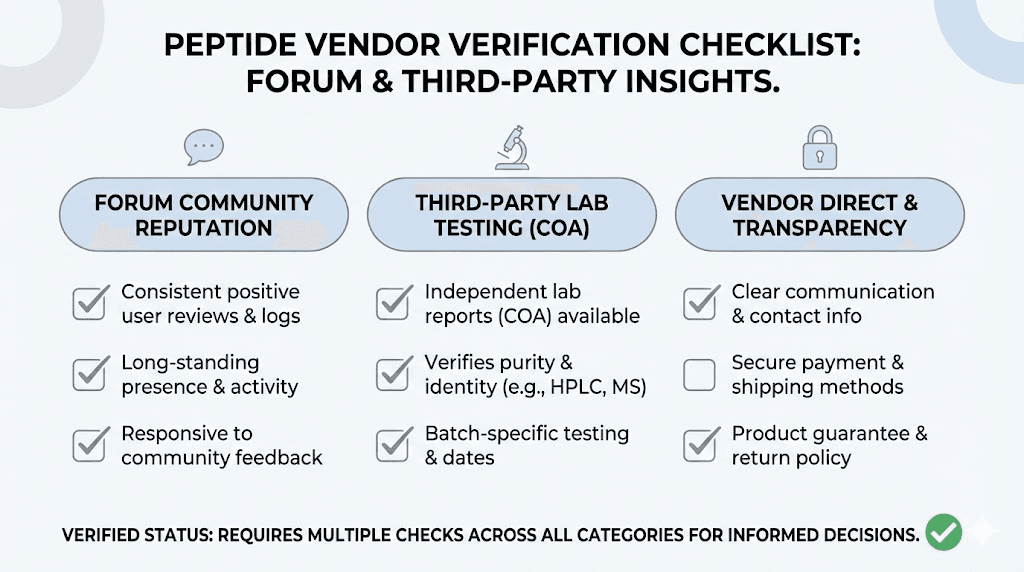
Structure & Web Content
It's possible to have a peptide that is, claim, 95% pure by HPLC and yet the net peptide web content is something like 70% of the powder's weight (the rest being water and salts). Don't be distressed-- this is normal and is generally figured out by separate evaluations (like amino acid analysis). Peptide purity is most generally established by high-performance fluid chromatography (HPLC) with a detection wavelength of 220 nm, which is ideal for identifying peptide bonds. This approach divides peptides from pollutants and evaluates both target peptides and impurities, making sure premium samples for research.This level of comprehensive evaluation makes sure the peptide's accuracy-- meaning the series and purity are precisely as identified-- which is crucial for speculative reproducibility. By validating composition through multiple confirmed approaches, lab validation assurances that researchers get a high-purity peptide that will execute as expected in the laboratory. Research laboratory recognition of peptides is not only a scientific ideal practice-- it's usually a regulatory requirement when peptides are made use of in restorative growth or professional research study.The friend web page on why 99 percent purity issues discusses why tiny contamination percents can still matter in sensitive in-vitro assays. Along with this peptide testing overview, those pages develop the trust-methodology layer behind the item directory. Peptide screening is powerful, but scientists must check out the extent of each technique very carefully.
Each peptide has a different expected molecular weight, so mass confirmation is not a common badge; it is compound-specific evidence. For a much deeper identity-focused explanation, see Mass Spectrometry Peptide Confirmation. Identification testing confirms that what was synthesized is actually the intended series. A strong examination record can support pureness, identity, and batch traceability. It does not turn a research study compound right into a medical item, and it does not change speculative validation in the scientist's own system. Peptide pureness isn't just a number on a label-- it's a window into the https://mariovamn464.ironwoodscope.com/posts/buyer-beware-why-research-peptides-are-an-unsafe-health-risk top quality of the synthetic process and a forecaster of just how reliable your study results will certainly be. At Ethos Analytics, we offer specialized peptide testing and quantitation services to sustain research, pharmaceutical, and nutraceutical applications. Our research laboratory utilizes state-of-the-art instrumentation and validated techniques to guarantee accurate, reproducible data across also the most complex peptide matrices. William is a study analyst at Peptides Lab UK, being experts in research peptides, laboratory compounds, and sourcing requirements for high-purity peptide products.